Collector guide
Yu-Gi-Oh Card Scanner Guide
Yu-Gi-Oh cards can vary by set code, rarity, edition, language, and condition. A scanner helps with speed, but the exact print details still need review.
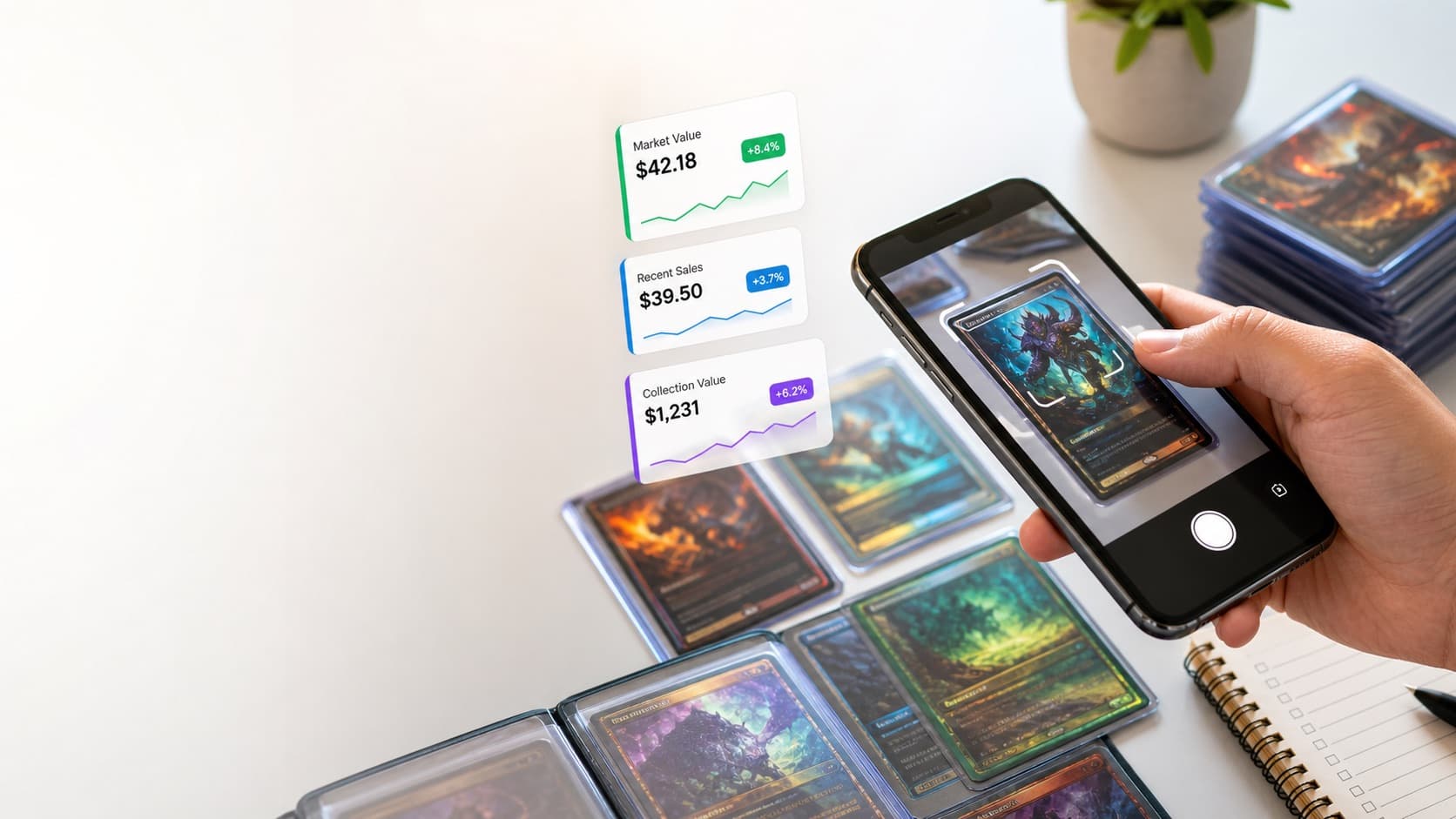
Card value scanner
Upload a card photo for a value preview
Use the homepage scanner flow to upload a clear Pokemon card image and review the card value workflow.
Best For
Yu-Gi-Oh collectors organizing collections, decks, or sale inventory.
When To Use It
Use it when scanning Yu-Gi-Oh cards for collection tracking or price-check preparation.
Workflow
yugioh card scanner checklist
- Use bright, even lighting so the card name, set symbol, and number are readable.
- Scan the card outside of sleeves when glare hides the details.
- Check the edition, language, condition, and whether the card is foil before comparing prices.
- Compare recent market data instead of relying on one listing or asking price.
What This Covers
Collector-friendly details
Set-code reminders
Rarity checks
Edition notes
Condition workflow
Questions
Quick answers
What identifies a Yu-Gi-Oh card version?
The name, set code, rarity, edition, language, and condition all help identify the exact version.
Why does rarity matter so much?
Different rarity treatments can have very different collector demand and market value.
Can a scanner read every set code?
Not always. Small text, glare, sleeves, or worn cards can require manual confirmation.
How do I get the best yugioh card scanner result?
Use a sharp photo with the card flat, well lit, and fully visible. Avoid glare, heavy shadows, blurry images, and cropped corners.
Should I remove the card from its sleeve before scanning?
If the sleeve creates glare or hides small text, remove it carefully. If the card is valuable, handle it gently and avoid touching the surface.
What information does a scanner need to identify a card?
The most useful details are the name, artwork, set symbol, collector number, rarity mark, language, and whether the card is foil or a special variant.
Can a scanner judge card condition automatically?
A scanner can help spot obvious issues, but condition still needs human review. Surface scratches, dents, whitening, and centering are easy to miss in one photo.
Why might a card scan return the wrong version?
Many cards share artwork, names, or layouts across reprints. Set number, rarity, foil treatment, language, and promo details should always be checked manually.
Is one photo enough to value a card?
One front photo can help identify a card, but value is stronger when you also review condition, back edges, corners, and close-ups of any damage.
Can I scan a full binder page at once?
A binder-page scan can help with rough sorting, but single-card images are usually better for accurate identification and value review.
Related Pages